

Noah
Genesis 6–9
So far, we’ve seen how God created the world with purpose and order, and how sin entered through human disobedience. What started in the garden didn’t stay small. Sin spread. It affected relationships, families, and eventually whole societies.
This next part of the story will show us what happens when sin is left unchecked, and how God responds.
By this point, the earth is filled with violence and corruption. Humanity has turned far from God. The Bible says God is grieved by the depth of human wickedness. That tells us something important. God is not distant or unmoved. He cares about what happens in His world. He is loving, but He is also holy and just. He does not ignore evil.
In the middle of that brokenness, one man stands out. Noah walks with God. He trusts Him and obeys Him. God tells Noah to build an ark because a flood is coming as judgment against the world’s sin. The ark becomes a place of rescue. Noah, his family, and the animals God sends are kept safe while the flood covers the earth.
The flood is a serious moment in the story of the Bible. It shows that sin has real consequences. But it also shows God’s mercy. After the waters go down, God makes a covenant with Noah. He promises never again to destroy the earth with a flood. The rainbow becomes the sign of that promise.
Genesis 6 to 9 reminds us that while sin brings judgment, God’s heart is still to save. He is just, but He is also faithful. Even when humanity fails, God continues His plan to preserve life and move His story forward.
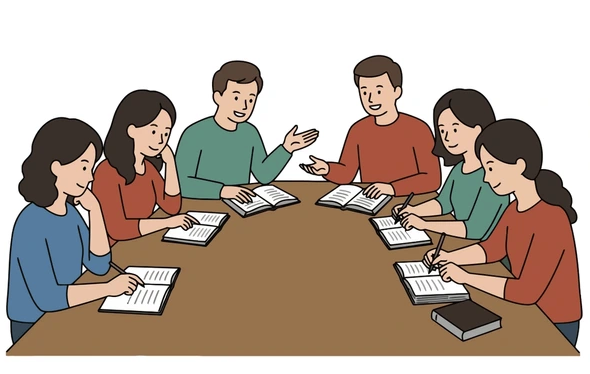
Bible Study Questions
The Spread of Sin and God’s Grief
Human sin is no longer isolated. It shapes culture, relationships, and society. God sees the violence and corruption filling the earth, and He is grieved by it.
Scripture:
Genesis 6:5–7, Genesis 6:11–12
What do these verses reveal about how serious sin had become?
What does it mean that God was grieved? What does that show about His character?
Why is it important to understand that God sees both private and public sin?
Noah Walks with God
In a world moving away from God, Noah stands out. He lives differently and finds favor with the Lord.
Scripture:
Genesis 6:8–9, Hebrews 11:7
What made Noah different from the rest of his generation?
What does it mean to “walk with God”?
How can someone stay faithful to God when the culture around them isn’t?
Obedience in the Middle of the Unknown
God tells Noah to build an ark long before there is any sign of rain. Noah obeys without knowing how everything will unfold.
Scripture:
Genesis 6:13–22
What stands out to you about Noah’s response to God’s command?
Why is obedience harder when we don’t see immediate results?
What does this teach us about trusting God’s instructions?
Judgment and Salvation
The flood is both an act of judgment and an act of rescue. Sin is confronted, but God also provides a way of salvation.
Scripture:
Genesis 7:17–24, Genesis 8:1
Why is it important that the Bible shows both judgment and mercy together?
What does the ark represent in this story?
How does this challenge the idea that God is only loving or only strict?
Worship After Rescue
When the flood ends, Noah’s first recorded action is worship. Gratitude comes before anything else.
Scripture:
Genesis 8:20–22
Why do you think Noah builds an altar before rebuilding his life?
What does this show about his priorities?
How should remembering God’s rescue shape our response today?
God’s Covenant and the Rainbow
After the flood, God makes a covenant with Noah and all living creatures. The rainbow becomes a sign of His promise.
Scripture:
Genesis 9:8–17
What is a covenant, and why is it significant that God initiates it?
Why do you think God gives a visible sign of His promise?
What does the rainbow teach us about God’s faithfulness?
The Ongoing Reality of Sin
Even after the flood, sin has not disappeared. The human heart still struggles with brokenness
Scripture:
Genesis 8:21, Romans 3:23
What does this tell us about the root problem of humanity?
Why didn’t the flood permanently remove sin from the world?
How does this prepare us for the rest of the Bible’s story?
Genesis 6 to 9 shows us that sin leads to judgment, but judgment is never the end of God’s story. He preserves life. He makes promises. He remains faithful even when humanity is not.
This part of Scripture reminds us that God is holy and just, but also patient and merciful. The story of Noah points forward. It shows that humanity needs more than a fresh start. We need a deeper rescue, one that changes the human heart.
WORSHIP CORNER
Ephesians 3:14–21 (ESV)
14 For this reason I bow my knees before the Father,
15 from whom every family in heaven and on earth is named,
16 that according to the riches of his glory he may grant you to be strengthened with power through his Spirit in your inner being,
17 so that Christ may dwell in your hearts through faith—that you, being rooted and grounded in love,
18 may have strength to comprehend with all the saints what is the breadth and length and height and depth,
19 and to know the love of Christ that surpasses knowledge, that you may be filled with all the fullness of God.
20 Now to him who is able to do far more abundantly than all that we ask or think, according to the power at work within us,
21 to him be glory in the church and in Christ Jesus throughout all generations, forever and ever. Amen.