

THE FALL
Genesis 3
explains how sin entered the human story and why the world is broken the way it is. God created humanity to live in relationship with Him, trusting His word and living under His loving authority. In this chapter, that trust is challenged. The serpent questions God’s truth and suggests that life will be better if humans decide right and wrong for themselves.
When Adam and Eve disobey God, sin enters the world. This sin is not just breaking a rule, it is choosing independence from God. The result is immediate. Shame replaces innocence, fear replaces confidence, and hiding replaces closeness with God. Humanity’s relationship with God, with each other, and with creation is damaged.
Yet Genesis 3 is not only about failure and judgment. God seeks out Adam and Eve, speaks honestly about the consequences of sin, and still shows care by covering their shame. Even in this moment of rebellion, God gives the first promise that evil will not win forever. This chapter sets the foundation for the rest of the Bible, humanity falls, but God begins His plan to restore what was broken.
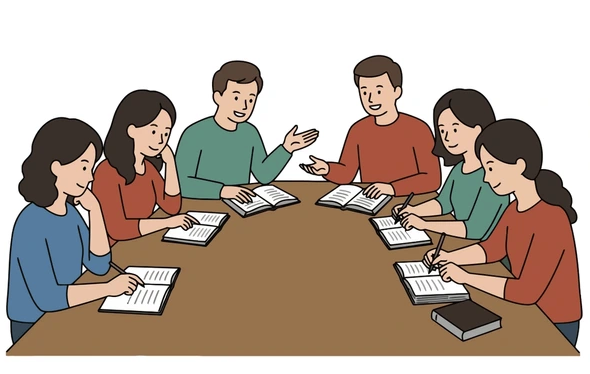
Bible Study Questions
God’s Word Is Questioned
The serpent does not deny God outright. He questions God’s words and intentions, planting doubt about whether God can truly be trusted.
Scripture:
Genesis 3:1–5
John 8:44
How does the serpent twist what God actually said?
Why do you think questioning God’s goodness is more dangerous than questioning His power?
Where do you see similar doubts about God’s truth today?
Sin Is Choosing Independence from God
Adam and Eve’s sin is not just eating the fruit. It is the decision to define right and wrong for themselves instead of trusting God.
Scripture:
Genesis 3:6
Isaiah 53:6
What does this passage show about the root of sin?
Why is wanting to be “like God” still a temptation today?
How does this challenge the idea that sin is only about bad behavior?
Shame Replaces Innocence
Immediately after sin, Adam and Eve feel shame and attempt to cover themselves. Their view of themselves and each other changes.
Scripture:
Genesis 3:7–10
Romans 3:23
Why do you think shame appears before punishment?
How does shame affect the way people relate to God and others?
In what ways do people still try to “cover” their brokenness today?
Broken Relationships Follow Sin
Sin does not stay private. It damages relationships, first with God, then with others, and finally with creation.
Scripture:
Genesis 3:11–13
James 4:1–2
How do Adam and Eve respond when God asks them questions?
Why is blame a common response to sin?
How does this explain conflict in the world today?
God Is Just, but Also Merciful
God confronts sin honestly and speaks consequences, but He does not abandon humanity. Even in judgment, He shows care.
Scripture:
Genesis 3:14–19
Genesis 3:21
What do God’s actions reveal about His character?
Why is it important that God clothes Adam and Eve Himself?
How does this show mercy even after disobedience?
Hope Is Promised, Even After the Fall
God declares that evil will not have the final word. Redemption is promised before humanity leaves the garden.
Scripture:
Genesis 3:15
Romans 5:18–19
Why is this verse often called the first promise of salvation?
What does this teach us about God’s long-term plan?
How does this change the way we read the rest of the Bible?
Genesis 3 shows us what went wrong in the human story and why the rest of the Bible is necessary. From this point on, Scripture is not random or disconnected, it is God’s response to human brokenness. Every promise, law, prophet, and act of salvation flows from this moment, as God works to restore what sin disrupted and to bring humanity back into relationship with Him.
WORSHIP CORNER
Ephesians 3:14–21 (ESV)
14 For this reason I bow my knees before the Father,
15 from whom every family in heaven and on earth is named,
16 that according to the riches of his glory he may grant you to be strengthened with power through his Spirit in your inner being,
17 so that Christ may dwell in your hearts through faith—that you, being rooted and grounded in love,
18 may have strength to comprehend with all the saints what is the breadth and length and height and depth,
19 and to know the love of Christ that surpasses knowledge, that you may be filled with all the fullness of God.
20 Now to him who is able to do far more abundantly than all that we ask or think, according to the power at work within us,
21 to him be glory in the church and in Christ Jesus throughout all generations, forever and ever. Amen.