
Who Is God and Why Does This Story Matter?

Abraham
Genesis 12 and 15 shift the story from the beginning of the world to the beginning of a people. After sin spreads through humanity in Genesis 3–11, God chooses one man, Abram, to start something new.
In Genesis 12, God calls Abram to leave his home, his country, and everything familiar. God makes a promise: Abram will become a great nation, his name will be made great, and through him all the families of the earth will be blessed. This promise isn’t based on Abram’s strength or achievements. It begins with God’s initiative and grace.
Abram responds with obedience. He goes, even though he doesn’t know exactly where he is going. His journey is built on trust in what God has said.
In Genesis 15, God deepens the promise. Abram is worried because he still has no child. God takes him outside and tells him to look at the stars. That is how numerous his descendants will be. Abram believes the Lord, and it is counted to him as righteousness. This moment is crucial. Abram is declared righteous not because he is perfect, but because he trusts God.
God then confirms His covenant with Abram in a formal and serious way. The promise of land, descendants, and blessing is not temporary. It is a binding covenant rooted in God’s faithfulness.
These chapters show us a God who makes promises and keeps them. They show that faith means trusting God’s word even when you cannot yet see the outcome. And they begin a story that ultimately points forward to Jesus, through whom the promised blessing to all nations is fulfilled.
Before Israel exists, before the law is given, we see this: God relates to people by grace, and righteousness comes through faith.
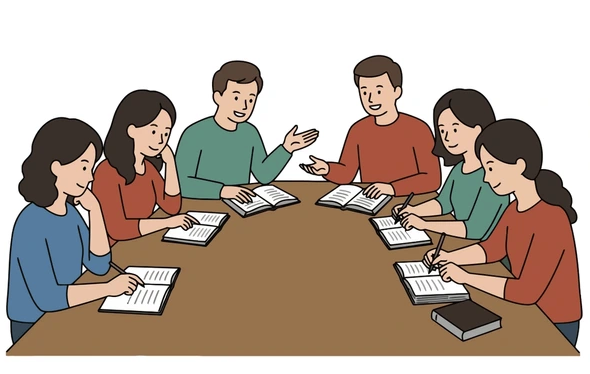
Bible Study Questions
God’s Call and Promise
God does not abandon humanity after the spread of sin in Genesis 3–11. Instead, He chooses one man and begins a plan to bring blessing back into the world.
Scripture:
Genesis 12:1–3
What does God ask Abram to leave behind, and why is that significant
What promises does God make, and which parts depend on Abram versus God?
What does it mean that “all nations” will be blessed through Abram?
Wrestling with Waiting
Time passes, and God’s promise still hasn’t happened. Abram struggles with doubt.
Scripture:
Genesis 15:1–5
What fear or concern does Abram bring to God?
What does this show about Abram’s honesty in his relationship with God?
Why do you think God uses the image of the stars to describe the promise?
Righteousness by Faith
One verse in Genesis 15 becomes foundational for the whole Bible.
Scripture:
Genesis 15:6, Romans 4:3
What does it mean that Abram “believed the Lord”?
Why is it important that righteousness is counted because of faith, not performance?
How does this challenge the idea that we earn God’s approval?
God’s Covenant Commitment
God confirms His promise through a covenant. This is not a casual agreement. It is a binding commitment.
Scripture:
Genesis 15:7–18
What is a covenant, and how is it different from a simple promise?
Why does it matter that God takes the initiative in making this covenant
What does this reveal about God’s faithfulness, even when people are imperfect?
The Bigger Story
The promise to Abram is not just about one family. It shapes the rest of Scripture.
Scripture:
Galatians 3:8–9
How does Abram’s story connect to Jesus?
What does this teach us about God’s long-term plan for the world?
How can Abram’s faith shape the way you trust God in your own life?
Genesis 12 and 15 show us that God responds to human brokenness with a promise, not abandonment. He calls, He commits, and He remains faithful. Abram is not chosen because he is perfect. He is chosen by grace, and he is counted righteous because he believes.
This part of the story teaches us that faith is not about having everything figured out. It is trusting the character and word of God, even while you are still waiting for the promise to unfold.
WORSHIP CORNER
Ephesians 3:14–21 (ESV)
14 For this reason I bow my knees before the Father,
15 from whom every family in heaven and on earth is named,
16 that according to the riches of his glory he may grant you to be strengthened with power through his Spirit in your inner being,
17 so that Christ may dwell in your hearts through faith—that you, being rooted and grounded in love,
18 may have strength to comprehend with all the saints what is the breadth and length and height and depth,
19 and to know the love of Christ that surpasses knowledge, that you may be filled with all the fullness of God.
20 Now to him who is able to do far more abundantly than all that we ask or think, according to the power at work within us,
21 to him be glory in the church and in Christ Jesus throughout all generations, forever and ever. Amen.
Who Is God and Why Does This Story Matter?
Noah
Genesis 6–9
So far, we’ve seen how God created the world with purpose and order, and how sin entered through human disobedience. What started in the garden didn’t stay small. Sin spread. It affected relationships, families, and eventually whole societies.
This next part of the story will show us what happens when sin is left unchecked, and how God responds.
By this point, the earth is filled with violence and corruption. Humanity has turned far from God. The Bible says God is grieved by the depth of human wickedness. That tells us something important. God is not distant or unmoved. He cares about what happens in His world. He is loving, but He is also holy and just. He does not ignore evil.
In the middle of that brokenness, one man stands out. Noah walks with God. He trusts Him and obeys Him. God tells Noah to build an ark because a flood is coming as judgment against the world’s sin. The ark becomes a place of rescue. Noah, his family, and the animals God sends are kept safe while the flood covers the earth.
The flood is a serious moment in the story of the Bible. It shows that sin has real consequences. But it also shows God’s mercy. After the waters go down, God makes a covenant with Noah. He promises never again to destroy the earth with a flood. The rainbow becomes the sign of that promise.
Genesis 6 to 9 reminds us that while sin brings judgment, God’s heart is still to save. He is just, but He is also faithful. Even when humanity fails, God continues His plan to preserve life and move His story forward.
Bible Study Questions
The Spread of Sin and God’s Grief
Human sin is no longer isolated. It shapes culture, relationships, and society. God sees the violence and corruption filling the earth, and He is grieved by it.
Scripture:
Genesis 6:5–7, Genesis 6:11–12
What do these verses reveal about how serious sin had become?
What does it mean that God was grieved? What does that show about His character?
Why is it important to understand that God sees both private and public sin?
Noah Walks with God
In a world moving away from God, Noah stands out. He lives differently and finds favor with the Lord.
Scripture:
Genesis 6:8–9, Hebrews 11:7
What made Noah different from the rest of his generation?
What does it mean to “walk with God”?
How can someone stay faithful to God when the culture around them isn’t?
Obedience in the Middle of the Unknown
God tells Noah to build an ark long before there is any sign of rain. Noah obeys without knowing how everything will unfold.
Scripture:
Genesis 6:13–22
What stands out to you about Noah’s response to God’s command?
Why is obedience harder when we don’t see immediate results?
What does this teach us about trusting God’s instructions?
Judgment and Salvation
The flood is both an act of judgment and an act of rescue. Sin is confronted, but God also provides a way of salvation.
Scripture:
Genesis 7:17–24, Genesis 8:1
Why is it important that the Bible shows both judgment and mercy together?
What does the ark represent in this story?
How does this challenge the idea that God is only loving or only strict?
Worship After Rescue
When the flood ends, Noah’s first recorded action is worship. Gratitude comes before anything else.
Scripture:
Genesis 8:20–22
Why do you think Noah builds an altar before rebuilding his life?
What does this show about his priorities?
How should remembering God’s rescue shape our response today?
God’s Covenant and the Rainbow
After the flood, God makes a covenant with Noah and all living creatures. The rainbow becomes a sign of His promise.
Scripture:
Genesis 9:8–17
What is a covenant, and why is it significant that God initiates it?
Why do you think God gives a visible sign of His promise?
What does the rainbow teach us about God’s faithfulness?
The Ongoing Reality of Sin
Even after the flood, sin has not disappeared. The human heart still struggles with brokenness
Scripture:
Genesis 8:21, Romans 3:23
What does this tell us about the root problem of humanity?
Why didn’t the flood permanently remove sin from the world?
How does this prepare us for the rest of the Bible’s story?
Genesis 6 to 9 shows us that sin leads to judgment, but judgment is never the end of God’s story. He preserves life. He makes promises. He remains faithful even when humanity is not.
This part of Scripture reminds us that God is holy and just, but also patient and merciful. The story of Noah points forward. It shows that humanity needs more than a fresh start. We need a deeper rescue, one that changes the human heart.
WORSHIP CORNER
Ephesians 3:14–21 (ESV)
14 For this reason I bow my knees before the Father,
15 from whom every family in heaven and on earth is named,
16 that according to the riches of his glory he may grant you to be strengthened with power through his Spirit in your inner being,
17 so that Christ may dwell in your hearts through faith—that you, being rooted and grounded in love,
18 may have strength to comprehend with all the saints what is the breadth and length and height and depth,
19 and to know the love of Christ that surpasses knowledge, that you may be filled with all the fullness of God.
20 Now to him who is able to do far more abundantly than all that we ask or think, according to the power at work within us,
21 to him be glory in the church and in Christ Jesus throughout all generations, forever and ever. Amen.
Who Is God and Why Does This Story Matter?
THE FALL
Genesis 3
explains how sin entered the human story and why the world is broken the way it is. God created humanity to live in relationship with Him, trusting His word and living under His loving authority. In this chapter, that trust is challenged. The serpent questions God’s truth and suggests that life will be better if humans decide right and wrong for themselves.
When Adam and Eve disobey God, sin enters the world. This sin is not just breaking a rule, it is choosing independence from God. The result is immediate. Shame replaces innocence, fear replaces confidence, and hiding replaces closeness with God. Humanity’s relationship with God, with each other, and with creation is damaged.
Yet Genesis 3 is not only about failure and judgment. God seeks out Adam and Eve, speaks honestly about the consequences of sin, and still shows care by covering their shame. Even in this moment of rebellion, God gives the first promise that evil will not win forever. This chapter sets the foundation for the rest of the Bible, humanity falls, but God begins His plan to restore what was broken.
Bible Study Questions
God’s Word Is Questioned
The serpent does not deny God outright. He questions God’s words and intentions, planting doubt about whether God can truly be trusted.
Scripture:
Genesis 3:1–5
John 8:44
How does the serpent twist what God actually said?
Why do you think questioning God’s goodness is more dangerous than questioning His power?
Where do you see similar doubts about God’s truth today?
Sin Is Choosing Independence from God
Adam and Eve’s sin is not just eating the fruit. It is the decision to define right and wrong for themselves instead of trusting God.
Scripture:
Genesis 3:6
Isaiah 53:6
What does this passage show about the root of sin?
Why is wanting to be “like God” still a temptation today?
How does this challenge the idea that sin is only about bad behavior?
Shame Replaces Innocence
Immediately after sin, Adam and Eve feel shame and attempt to cover themselves. Their view of themselves and each other changes.
Scripture:
Genesis 3:7–10
Romans 3:23
Why do you think shame appears before punishment?
How does shame affect the way people relate to God and others?
In what ways do people still try to “cover” their brokenness today?
Broken Relationships Follow Sin
Sin does not stay private. It damages relationships, first with God, then with others, and finally with creation.
Scripture:
Genesis 3:11–13
James 4:1–2
How do Adam and Eve respond when God asks them questions?
Why is blame a common response to sin?
How does this explain conflict in the world today?
God Is Just, but Also Merciful
God confronts sin honestly and speaks consequences, but He does not abandon humanity. Even in judgment, He shows care.
Scripture:
Genesis 3:14–19
Genesis 3:21
What do God’s actions reveal about His character?
Why is it important that God clothes Adam and Eve Himself?
How does this show mercy even after disobedience?
Hope Is Promised, Even After the Fall
God declares that evil will not have the final word. Redemption is promised before humanity leaves the garden.
Scripture:
Genesis 3:15
Romans 5:18–19
Why is this verse often called the first promise of salvation?
What does this teach us about God’s long-term plan?
How does this change the way we read the rest of the Bible?
Genesis 3 shows us what went wrong in the human story and why the rest of the Bible is necessary. From this point on, Scripture is not random or disconnected, it is God’s response to human brokenness. Every promise, law, prophet, and act of salvation flows from this moment, as God works to restore what sin disrupted and to bring humanity back into relationship with Him.
WORSHIP CORNER
Ephesians 3:14–21 (ESV)
14 For this reason I bow my knees before the Father,
15 from whom every family in heaven and on earth is named,
16 that according to the riches of his glory he may grant you to be strengthened with power through his Spirit in your inner being,
17 so that Christ may dwell in your hearts through faith—that you, being rooted and grounded in love,
18 may have strength to comprehend with all the saints what is the breadth and length and height and depth,
19 and to know the love of Christ that surpasses knowledge, that you may be filled with all the fullness of God.
20 Now to him who is able to do far more abundantly than all that we ask or think, according to the power at work within us,
21 to him be glory in the church and in Christ Jesus throughout all generations, forever and ever. Amen.
Who Is God and Why Does This Story Matter?
CREATION - PART 2
Genesis 2
Genesis 2 takes us deeper into the creation story. Instead of showing how the whole world was made, it focuses on people and God’s personal involvement with them.
Here we see a God who forms, places, and cares for humanity. Life is given with intention, responsibility is meaningful, rest is necessary, and relationship is essential. Before sin and brokenness enter the story, Genesis 2 shows us God’s original design for how life was meant to be lived.
Bible Study Questions
God Is Personal and Involved
God doesn’t only create by speaking. In Genesis 2, He forms humanity and breathes life into them. This shows that God is close, intentional, and relational.
Scripture:
Genesis 2:7
Psalm 139:13–14
What does it say about God that He gives life personally?
How does this challenge the idea that people are random or meaningless?
Life Has Purpose, Not Accident
God places humanity in the Garden of Eden on purpose. People are not created and left without direction. Placement comes with meaning and responsibility.
Scripture:
Genesis 2:15
Acts 17:26
Do you believe where you are in life right now matters to God?
How might your current season have purpose, even if it feels confusing?
Responsibility Is Part of God’s Design
Work exists before sin enters the world. Responsibility is not a punishment, it’s part of how humans were created to function and grow.
Scripture:
Genesis 2:15
Colossians 3:23
How do you usually think about responsibility, as pressure or purpose?
What would change if you saw responsibility as something God trusts you with?
Rest Matters to God
God rests, not because He is tired, but to establish a rhythm. Rest is built into creation from the beginning.
Scripture:
Genesis 2:2–3
Matthew 11:28
What does rest look like in your life right now?
Why do you think God made rest part of creation instead of an afterthought?
Humans Are Not Meant to Be Alone
For the first time in creation, something is called “not good”, loneliness. God shows that people are designed for relationship, not isolation.
Scripture:
Genesis 2:18
Ecclesiastes 4:9–10
Why do you think loneliness affects people so deeply?
How can community and connection help us live the way God intended?
Relationship Is Meant to Be Meaningful
God creates unity and connection intentionally. Relationships are designed to be built on respect, commitment, and care, not convenience.
Scripture:
Genesis 2:24
1 Corinthians 13:4–7
How does culture treat relationships differently from God’s design?
What does it look like to treat people with care and respect?
Before sin, shame, and brokenness enter the story, Genesis 2 shows us God’s original intention for humanity. A life with purpose, balance, responsibility, rest, and real relationship. Understanding this foundation helps us make sense of the rest of the Bible and of our own lives today.
WORSHIP CORNER
Ephesians 3:14–21 (ESV)
14 For this reason I bow my knees before the Father,
15 from whom every family in heaven and on earth is named,
16 that according to the riches of his glory he may grant you to be strengthened with power through his Spirit in your inner being,
17 so that Christ may dwell in your hearts through faith—that you, being rooted and grounded in love,
18 may have strength to comprehend with all the saints what is the breadth and length and height and depth,
19 and to know the love of Christ that surpasses knowledge, that you may be filled with all the fullness of God.
20 Now to him who is able to do far more abundantly than all that we ask or think, according to the power at work within us,
21 to him be glory in the church and in Christ Jesus throughout all generations, forever and ever. Amen.
Who Is God and Why Does This Story Matter?
From the very beginning of the Bible, we are introduced to a God who creates with intention and purpose. Before nations, laws, or institutions, God speaks, and the world comes into being. Genesis opens by showing us who God is and how He relates to what He has made.
As the story unfolds, we quickly see that humanity does not remain in this perfect order. Sin enters the world, relationships are broken, and the consequences of human choice become clear. Yet even in moments of failure and judgment, God continues to act with mercy and faithfulness.
Through the lives of Noah, Abraham, Isaac, Jacob, and Joseph, we see a consistent pattern. God works through ordinary, imperfect people to carry out His plans. He makes promises, remains faithful to them, and invites people to trust Him even when the future feels uncertain.
These stories are not disconnected events. Together, they form one unfolding narrative about God’s character, humanity’s struggles, and God’s commitment to restore and guide His people. What we see in Genesis lays the foundation for everything that follows in the rest of Scripture.
This term, we will walk through these stories to understand who God is, why His story matters, and how it continues to shape our lives today.

CREATION - PART 1
Genesis 1
Genesis chapters 1 and 2 show us how everything begins and who God is at the start of the story.
God creates the world by speaking. Light, sky, land, seas, plants, animals, and people all come into existence because God wills it. Creation is ordered, intentional, and declared good. Nothing is rushed. Nothing is random.
Humanity is created differently from everything else. People are made in God’s image, which gives every person value, purpose, and responsibility. Genesis 2 zooms in and shows God as personal and involved. He forms humanity, provides what is needed, and creates space for rest and relationship.
Before sin, before brokenness, we see a God who creates with care and purpose, and a world designed to reflect Him.
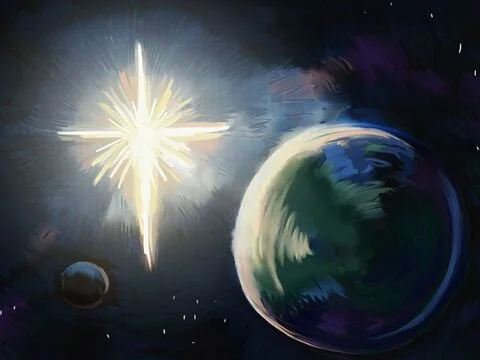
Genesis 1:1
1 In the beginning God created the heavens and the earth. 2 Now the earth was formless and empty, darkness was over the surface of the deep, and the Spirit of God was hovering over the waters.
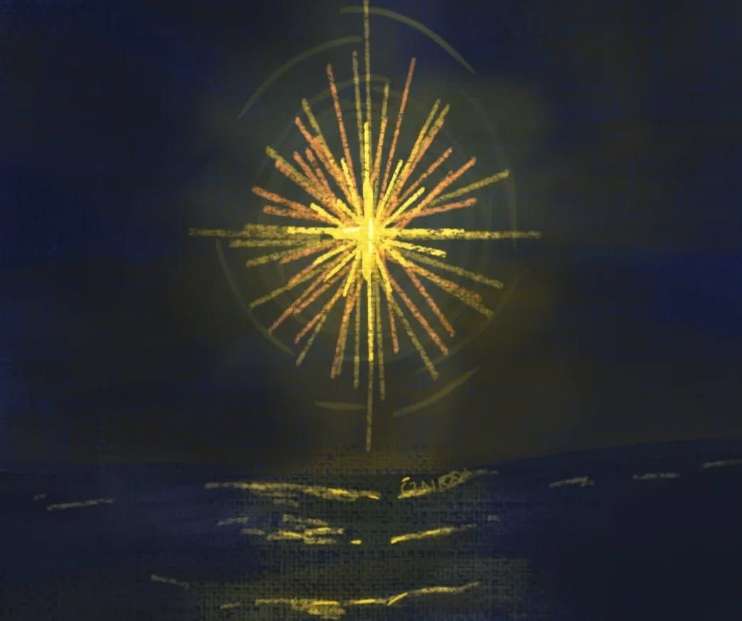
Day 1: Light
“And God said, Let there be light: and there was light.”
Genesis 1:3
God brings order by speaking. Light comes first, before anything else makes sense.

Day 2: Sky and Waters
“And God said, Let there be a firmament in the midst of the waters, and let it divide the waters from the waters.”
Genesis 1:6
God creates space and boundaries. He separates what was mixed and confusing.
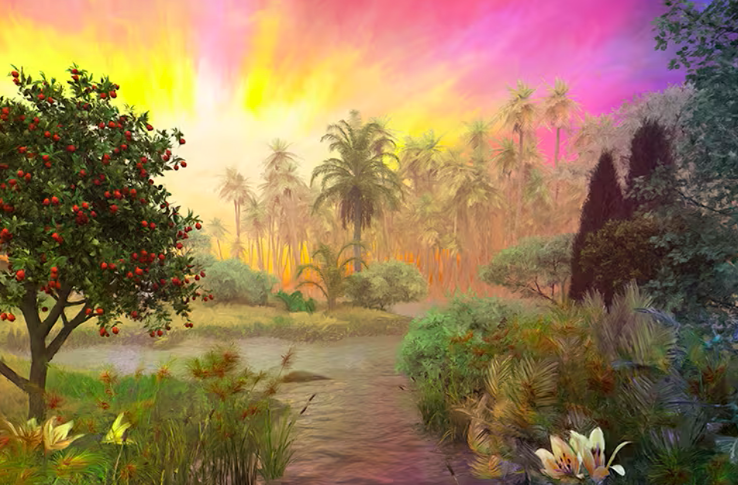
Day 3: Land, Seas, and Plants
“And God said, Let the waters under the heaven be gathered together unto one place, and let the dry land appear: and it was so.”
Genesis 1:9
“And God said, Let the earth bring forth grass, the herb yielding seed, and the fruit tree yielding fruit after his kind.”
Genesis 1:11
God brings stability and growth. Life begins to flourish where He sets foundations.

Day 4: Sun, Moon, and Stars
“And God said, Let there be lights in the firmament of the heaven to divide the day from the night; and let them be for signs, and for seasons, and for days, and years.”
Genesis 1:14
God establishes rhythm and time. Creation is intentional, not random.
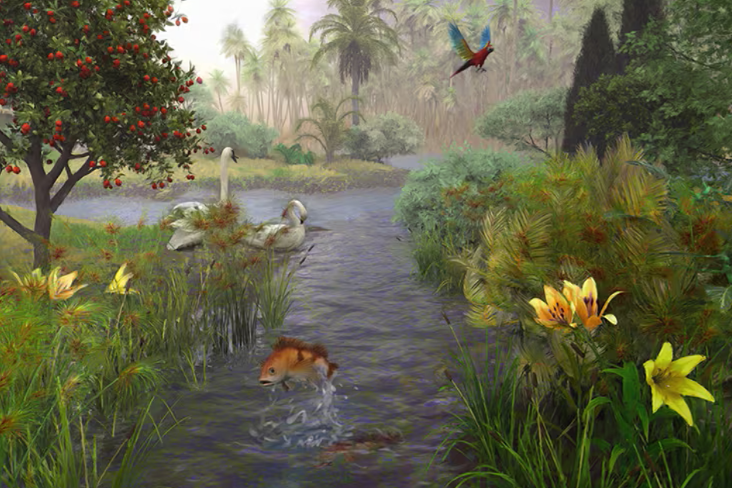
Day 5: Birds and Sea Creatures
“And God said, Let the waters bring forth abundantly the moving creature that hath life, and fowl that may fly above the earth.”
Genesis 1:20
God fills what He has formed. He delights in abundance and diversity.
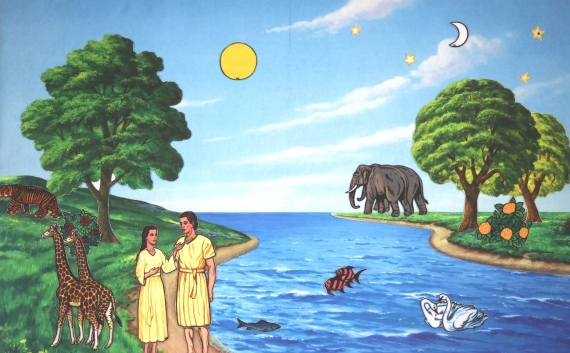
Day 6: Animals and Humans
“And God said, Let the earth bring forth the living creature after his kind.”
Genesis 1:24
“And God said, Let us make man in our image, after our likeness.”
Genesis 1:26
Humans are created with purpose and dignity. We reflect God in a way nothing else does.
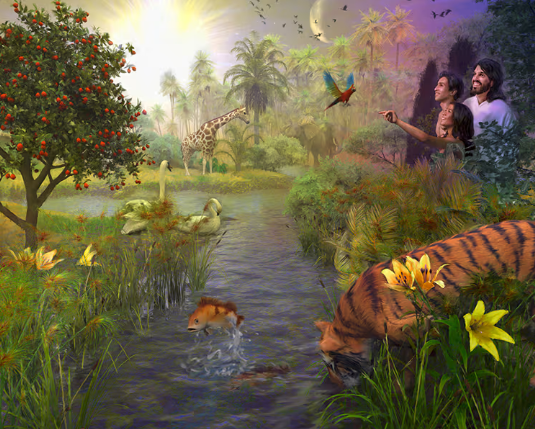
Day 7: Rest
“And on the seventh day God ended his work which he had made; and he rested on the seventh day from all his work which he had made.”
Genesis 2:2
Rest is part of God’s design. Stopping is holy, not lazy.
Bible Study Questions
God Creates With Purpose and Order
God creates the world step by step, bringing order out of emptiness and light out of darkness. What does this show us about God’s nature? How does knowing that God is intentional shape the way you see your own life?
Scripture:
Genesis 1:1–5
1 Corinthians 14:33, “For God is not a God of confusion but of peace.”
Reflection:
Where do you see order or design in creation today? How does this challenge the idea that life is random or meaningless?
God’s Word Has Power
Creation happens when God speaks. Nothing exists before His word, and everything responds to it. Why is God’s word so central in Genesis? How should that affect how we listen to Scripture today?
Scripture:
Genesis 1:3
Hebrews 4:12, “For the word of God is living and active.”
Reflection:
Do you take God’s word seriously in your daily decisions? What would change if you trusted that His word still has power?
Humans Are Created in God’s Image
Unlike the rest of creation, humans are made in God’s image. What does that say about human value and responsibility? How should this shape how we treat ourselves and others?
Scripture:
Genesis 1:26–27
Psalm 8:4–6
Reflection:
How does knowing you are made in God’s image affect your identity? How should it influence how you treat people who are different from you?
Rest Is Part of God’s Design
God rests on the seventh day, not because He is tired, but to set a pattern. Why do you think rest matters to God? What happens when we ignore it?
Scripture:
Genesis 2:2–3
Exodus 20:8–10
Reflection:
Do you struggle to rest or slow down? What might healthy rest look like in your week?
Creation shows us a God who is powerful, intentional, and relational. He speaks, He orders, He creates life, and He invites humans to live with purpose and rest. Understanding the beginning of the story helps us understand who God is and who we are.
Ephesians 3:14–21 (ESV)
14 For this reason I bow my knees before the Father,
15 from whom every family in heaven and on earth is named,
16 that according to the riches of his glory he may grant you to be strengthened with power through his Spirit in your inner being,
17 so that Christ may dwell in your hearts through faith—that you, being rooted and grounded in love,
18 may have strength to comprehend with all the saints what is the breadth and length and height and depth,
19 and to know the love of Christ that surpasses knowledge, that you may be filled with all the fullness of God.
20 Now to him who is able to do far more abundantly than all that we ask or think, according to the power at work within us,
21 to him be glory in the church and in Christ Jesus throughout all generations, forever and ever. Amen.
Who are we?
Family Church is non-denominational, we are not a building, we are the people of God, under the authority of Jesus Christ. According to the Bible, the Church is built on the foundation of the Apostles and Prophets, and has Jesus Christ as it’s Cornerstone. The Church exists to love and worship God, and to love others so that they can know, love and serve God too. Family Church is grounded on the two foundational Scriptures of Matthew 22:37-40 and Matthew 28:18-20, which are summed up in the statement: Love, Worship, Honour & Obey.
Join us.
Our group interacts on various different platforms on a Sunday. Please share your details if you haven't already and would like to join us.